A strong community is built on more than buildings, neighborhoods, or shared locations. It is built through relationships between people who are willing to care about one another.
Acts of service are one of the simplest ways to create those relationships. When people give their time, skills, attention, or energy to help others, they create connections that can make a community more supportive and welcoming.
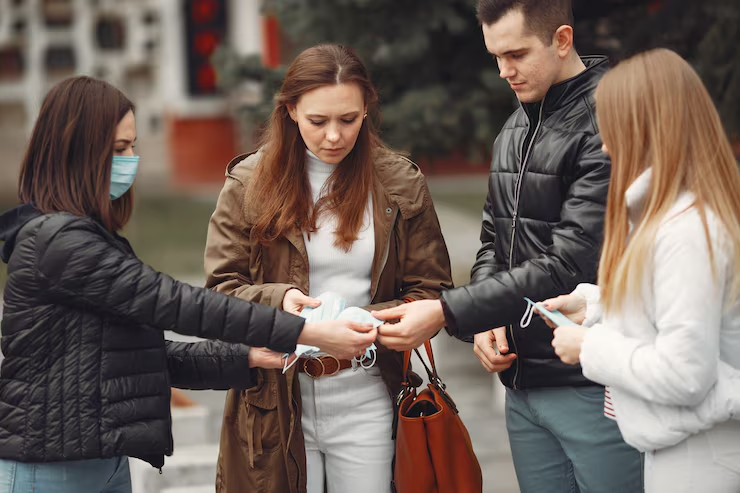
Service can take many forms. It may involve helping a neighbor, preparing meals for families in need, volunteering at a local organization, supporting a community event, visiting someone who is isolated, or offering practical assistance during a difficult time.
Each act may seem small on its own. But when people consistently serve one another, those actions can build trust and encourage a stronger sense of belonging.
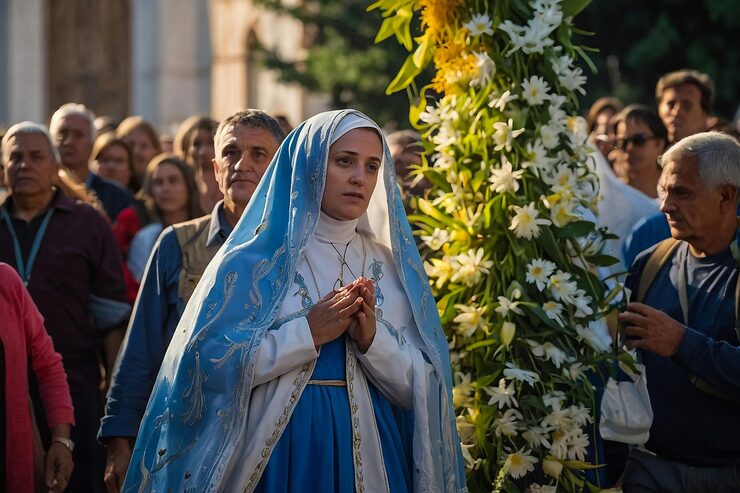
For faith-based organizations such as the Missionaries of Our Lady of Fatima, service is also connected to a deeper commitment to compassion, prayer, and care for people facing hardship.
What Does Community Service Really Mean?
Community service is often associated with organized volunteering, but its meaning can be much broader.
It is essentially the willingness to use what we have to benefit other people.
That could mean giving a few hours to an organization, helping someone carry groceries, preparing food for a family, mentoring a young person, participating in a neighborhood activity, or simply being available when someone needs support.
Community service does not require everyone to contribute in the same way.
People have different skills, schedules, resources, and abilities. What matters is the willingness to contribute.
When many people bring their individual strengths together, a community becomes better equipped to respond to challenges.
Service Creates Connections Between People
One of the greatest benefits of service is that it brings people together.
People who might otherwise never meet can find themselves working toward the same goal. Volunteers can develop friendships. Families can connect with other families. Older adults can share their experience with younger generations.
These interactions help reduce isolation.
A person may begin volunteering simply because they want to help, but they may also discover a sense of belonging in the process.
That feeling of connection can be especially important in communities where people are busy and social interaction is becoming increasingly limited.
Helping Others Builds Trust
Trust does not appear overnight.
It develops when people repeatedly demonstrate that they can be relied upon.
When neighbors help one another, volunteers show up when needed, and community organizations consistently support local families, people begin to feel that they are part of a dependable network.
This trust can become extremely valuable during difficult circumstances.
When an emergency occurs or a family suddenly needs assistance, people are more likely to ask for help when they know their community has a history of responding with care.
Service therefore does more than solve immediate problems. It can create relationships that make future cooperation easier.
Service Helps People Feel They Belong
Everyone wants to feel that they matter.
Community service can create that sense of belonging by giving people opportunities to participate and contribute.
This applies to both the person serving and the person receiving support.
A volunteer may feel that their time has purpose. A person receiving assistance may feel remembered and valued. A family participating in a community activity may develop relationships that continue beyond the event itself.
When people feel connected, they are more likely to become involved in their community.
That creates a positive cycle:
People participate → relationships grow → trust develops → communities become stronger.
Small Acts Can Have a Large Social Impact
Community strength does not always come from major projects.
Sometimes it starts with something very simple.
A neighbor checks on an elderly resident.
Someone prepares a meal for a family.
A volunteer spends an afternoon helping at an outreach event.
A person offers transportation to someone who needs it.
A group organizes a prayer gathering.
A family gives time to support people experiencing hardship.
None of these actions may appear extraordinary. Yet each one communicates an important message:
You are not alone. People care about you.
When those messages are repeated throughout a community, they can influence its overall culture.
Service Encourages People to Look Beyond Themselves
Modern life can easily become centered around personal responsibilities.
Work, family commitments, finances, technology, and everyday pressures can consume much of our attention.
Service creates an opportunity to step outside that routine.
It encourages people to notice what others are experiencing and consider how they can contribute.
This shift in perspective can strengthen empathy.
Someone who regularly serves others may become more aware of challenges that they previously did not understand. They may learn to listen more carefully, judge less quickly, and appreciate the different circumstances people face.
In this way, service can change not only communities but also the people who participate in them.
Service Can Bring Different Generations Together
A healthy community benefits when people of different ages interact with one another.
Children can learn kindness and responsibility from adults. Young adults can contribute energy and new ideas. Older adults can offer wisdom, experience, and guidance.
Service projects can create opportunities for these generations to work together.
A family might volunteer together. Young people might assist older residents. Parents can involve children in charitable activities.
These experiences help pass values from one generation to another.
Instead of simply telling children that helping others is important, families can show them through action.
Teaching Children the Value of Service
Children often learn best through experience.
When they see parents and other adults helping people, they begin to understand that service is a normal part of community life.
Parents can introduce service through simple activities.
Children might help prepare donations, write encouraging notes, participate in a community event, or assist with age-appropriate volunteer activities.
These experiences can teach valuable lessons about responsibility, generosity, patience, and respect.
They also help children understand that communities work better when people think about the needs of others.
Service Strengthens Local Relationships
Large-scale charitable organizations can provide important assistance, but local relationships remain essential.
People who live in the same community often understand its needs in ways that outsiders may not.
They know which families may need additional support, which residents may be isolated, and which local issues require attention.
Acts of service can strengthen these local relationships.
A community where people know and support one another is often better positioned to identify problems early and respond collectively.
Faith Can Give Service a Deeper Purpose
For many people, service is closely connected to faith.
Christianity teaches the importance of loving others, showing mercy, and caring for people in need. These principles can encourage believers to turn their faith into practical action.
Service becomes more than simply completing a volunteer task.
It becomes an expression of values.
Prayer can help people reflect on the needs of others, while service gives them an opportunity to respond to those needs.
This connection between faith and action is an important part of many faith-based communities.
The Role of Faith Communities in Service
Churches and faith-based organizations can provide valuable opportunities for people to serve.
They can bring volunteers together, identify community needs, organize outreach, support families, and create spaces where people can develop relationships.
A faith community can also encourage people who may not know where to begin.
Someone may want to help but feel uncertain about what they can offer. A local organization can provide a clear opportunity and a supportive environment.
This makes service more accessible.
The Missionaries of Our Lady of Fatima: Service in Action
The Missionaries of Our Lady of Fatima demonstrates how faith can encourage practical care for people.
Its mission brings together prayer, feeding people in need, family support, community outreach, and assistance for those experiencing hardship.
The organization also has a vision for a Chapel and community home in Palmdale, California. The planned space is intended to support prayer, meals, counseling, gatherings, and other forms of community care.
This type of environment can help people come together around shared values while creating opportunities to serve and support one another.
Service Can Make Communities More Resilient
A resilient community is one that can respond when circumstances become difficult.
Unexpected events can affect families in many ways. Financial difficulties, emergencies, loss, illness, displacement, or other challenges can suddenly create needs that were not there before.
Communities with strong relationships are often better prepared to respond.
When people already know one another and have a culture of helping, it becomes easier to organize assistance.
Volunteers can come forward. Families can share resources. Organizations can coordinate support. People can offer practical help.
The relationships built during ordinary times can become especially valuable during difficult ones.
Service Creates Opportunities for Leadership
Community service can also develop leaders.
People who volunteer often learn how to organize activities, communicate with others, solve problems, manage responsibilities, and work as part of a team.
Young people, in particular, can gain confidence through service opportunities.
Leadership does not always begin with a formal title. Sometimes it begins when someone notices a need and takes responsibility for helping address it.
Over time, these individuals can inspire others to participate.
How Businesses and Professionals Can Contribute
Community service is not limited to individuals.
Businesses and professionals can also contribute their expertise.
A designer might help create materials for an organization. A photographer could document an event. A professional could offer administrative or technical assistance. A local business might provide supplies or volunteer time.
Using professional skills can make a meaningful difference because organizations often need more than financial support.
Everyone has something that can contribute to the strength of a community.
Making Service a Regular Habit
Occasional acts of service are valuable, but regular involvement can create deeper relationships.
Instead of waiting for a special event, people can make service part of their routine.
This might mean volunteering once a month, checking on a neighbor regularly, helping with community activities, or setting aside time each week for a meaningful act of kindness.
Regular service becomes easier over time because it becomes a habit rather than something that requires a special decision every time.
Ways to Strengthen Your Community Through Service
There are many simple ways to begin.
Help Someone Nearby
Look around your own neighborhood and consider whether someone could use practical assistance.
Volunteer Your Time
Find an organization whose mission aligns with your values and contribute your skills.
Serve as a Family
Choose simple service activities that parents and children can do together.
Support Community Events
Participating in local gatherings can help build relationships and strengthen community involvement.
Check on Someone Who Is Isolated
A phone call, visit, or thoughtful message can help someone feel remembered.
Share Your Skills
Consider what you are good at and how those skills could benefit an organization or community project.
Encourage Others to Participate
Sometimes people simply need an invitation. Encourage friends, relatives, or coworkers to join you.
Building a Culture Where People Help One Another
The strongest communities are not created by one person.
They develop when helping others becomes part of the culture.
When people see others volunteering, they become more comfortable participating. When they experience kindness, they are more likely to show kindness themselves.
One act can inspire another.
This creates a chain reaction that can gradually change the way people interact.
A community does not become stronger because everyone has the same resources. It becomes stronger because people are willing to share what they have.
Conclusion
Acts of service can strengthen a community in ways that go far beyond the immediate help being provided.
Service creates relationships. Relationships build trust. Trust creates belonging. And belonging encourages people to continue caring for one another.
Whether the contribution is an hour of volunteer work, a practical skill, a meal, an encouraging conversation, or participation in a faith-based outreach effort, every sincere act of service has the potential to connect people.
The Missionaries of Our Lady of Fatima reflects this understanding by bringing faith and practical care together in its commitment to people and communities facing hardship.
A stronger community does not begin with everyone asking what they can receive.
It begins when people start asking what they can give.
When that spirit becomes part of everyday life, small acts of service can grow into something much larger—a community where people know they are valued, supported, and never completely alone.