Everyone experiences difficult seasons in life. There may be times when a person feels overwhelmed by financial pressure, family problems, loss, loneliness, uncertainty, or challenges they never expected to face.
During these moments, hope can feel difficult to find.
Hope does not necessarily mean believing that every problem will disappear immediately. It can mean finding enough strength to take the next step, trusting that difficult circumstances do not define the future, and remembering that you do not have to face everything alone.
For many people, faith and prayer provide an important source of that hope. Supportive families, friends, churches, and community organizations can provide another layer of encouragement.
Together, faith, prayer, and community can help people move through difficult seasons with greater courage and peace.
What Does Hope Really Mean?
Hope is more than positive thinking.
It is the belief that difficult circumstances can change and that life can still contain meaning, purpose, and possibility.
When someone is struggling, it can be easy to focus entirely on the present problem. Financial stress can make the future feel uncertain. Grief can make everyday life feel empty. Family difficulties can create emotional exhaustion.
Hope does not deny these realities.
Instead, hope allows a person to recognize that today’s situation is only one part of a much larger journey.
It creates room for patience, faith, and the possibility of a better tomorrow.
Why Hope Matters During Difficult Times
Without hope, challenges can feel permanent.
A person may begin to believe that nothing will improve or that their circumstances will never change. This mindset can make even simple responsibilities feel overwhelming.
Hope provides another perspective.
It encourages people to keep going, seek support, make thoughtful decisions, and remain open to possibilities.
Hope can also help people recognize small improvements.
A difficult season may not change overnight, but one encouraging conversation, one answered prayer, one supportive person, or one positive step can provide a reason to continue moving forward.
Faith Can Provide a Foundation for Hope
For Christians, faith can provide a deeper foundation for hope.
Faith reminds believers that their lives have meaning beyond their current circumstances. It encourages trust in God even when the future is unclear.
This does not mean that people will never experience fear, sadness, or uncertainty.
Faith does not require someone to pretend that everything is fine.
Instead, it can provide a place to bring those feelings.
A person can pray during uncertainty, seek spiritual guidance during confusion, and turn toward God during moments when answers are difficult to find.
That sense of spiritual connection can help people remain grounded.
Prayer Creates Space for Reflection
Modern life can be filled with noise.
Phones, work, responsibilities, news, social media, and everyday commitments can leave very little quiet time.
Prayer creates an opportunity to slow down.
It allows people to step away from constant distractions and reflect on what they are experiencing.
For someone going through hardship, prayer may be a time to express fear, ask for guidance, give thanks, or simply sit quietly in God’s presence.
This quiet space can provide emotional and spiritual relief.
Prayer does not always provide an immediate solution to a problem, but it can change the way a person carries that problem.
The Rosary as a Source of Reflection
For Catholics, the Rosary is a meaningful form of prayer that can provide a structured time for reflection.
The repetition of prayers can help create a sense of calm and focus. Reflecting on the mysteries of the Rosary can also encourage people to think about the life, suffering, death, and glory of Jesus Christ.
During difficult periods, this practice can provide a regular spiritual routine.
Instead of allowing worry to occupy every moment, a person can dedicate time to prayer and reflection.
The Rosary can therefore become part of a person’s journey toward greater spiritual peace and hope.
Hope Does Not Mean Ignoring Pain
It is important to understand that hope and pain can exist at the same time.
A person can have faith and still feel sad.
Someone can pray and still be worried.
A person can believe in God’s goodness while experiencing grief.
These experiences are not necessarily contradictions.
Recognizing this can make faith more honest and meaningful.
People do not have to hide their struggles to have hope. Sometimes hope begins precisely when someone acknowledges that they need help, comfort, guidance, or support.
Community Can Help People Feel Less Alone
Hope becomes easier to hold onto when people have supportive relationships.
A caring friend can provide encouragement. A family member can offer practical help. A church can provide spiritual fellowship. A volunteer can offer companionship.
Sometimes people do not need someone to solve their problems. They simply need someone to remind them that they are not facing those problems alone.
Community provides that connection.
Being surrounded by people who listen, encourage, pray, and care can make difficult circumstances feel more manageable.
The Importance of Being Seen and Heard
One of the most painful parts of hardship can be feeling invisible.
Someone may be struggling financially but hesitate to talk about it. Another person may be experiencing grief while continuing their daily responsibilities. Someone else may feel lonely even while being surrounded by people.
Compassionate communities create opportunities for people to be heard.
Listening does not require having the perfect answer.
Sometimes a person simply needs someone who will sit with them, listen without judgment, and acknowledge what they are going through.
That simple human connection can become a source of hope.
Faith Communities Can Offer a Sense of Belonging
Churches and faith-based organizations can provide more than places for worship.
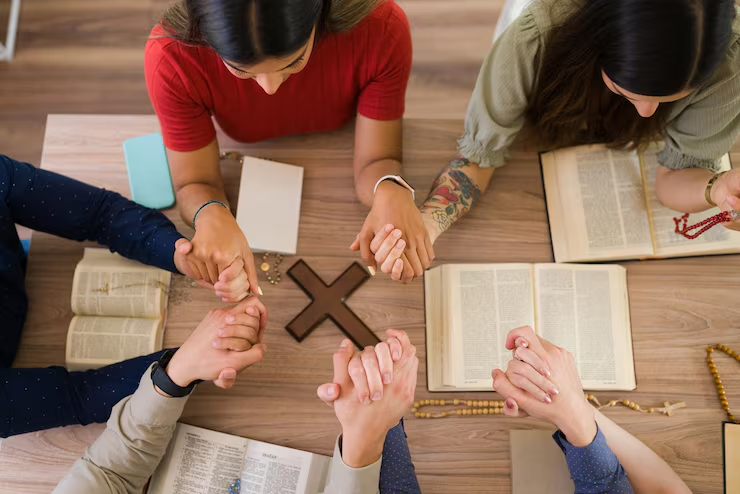
They can create environments where people build relationships, pray together, share experiences, and support one another.
Regular gatherings can give individuals a sense of routine and connection.
For someone experiencing isolation, being welcomed into a caring community can be especially meaningful.
Knowing that there are people who will remember you, pray for you, and make space for you can provide a powerful sense of belonging.
Helping Others Can Renew Our Own Sense of Purpose
Interestingly, helping others can also strengthen the person providing the help.
When someone volunteers, prepares food, supports a family, participates in prayer, or gives their time to a meaningful cause, they may discover a renewed sense of purpose.
Service shifts attention outward.
It reminds people that they have something valuable to contribute.
Even during their own difficult seasons, people may find meaning in encouraging someone else.
This does not mean ignoring personal struggles. Instead, it shows that purpose can exist alongside difficulty.
Hope Can Grow Through Small Steps
People sometimes imagine hope as a dramatic change.
In reality, hope often grows through small steps.
Getting out of bed and starting the day can be a step.
Making a difficult phone call can be a step.
Asking someone for help can be a step.
Taking time to pray can be a step.
Attending church can be a step.
Volunteering can be a step.
Talking honestly with a trusted person can be a step.
None of these actions may solve everything immediately, but they can create movement.
And movement can create hope.
Supporting Families Through Difficult Seasons
Families often carry challenges together.
Financial difficulties, relationship problems, loss, unexpected circumstances, and other pressures can affect everyone within a household.
Support can help families regain a sense of stability.
Sometimes practical assistance is needed. At other times, families may need encouragement, prayer, counseling, or simply a supportive community.
Faith-based outreach can provide opportunities for families to receive different forms of support in one place.
This is one reason community spaces can be so valuable.
Creating Places Where Hope Can Grow
Physical spaces can play an important role in community life.
A welcoming chapel, community center, or gathering place can give people somewhere to pray, meet others, share meals, seek guidance, and participate in meaningful activities.
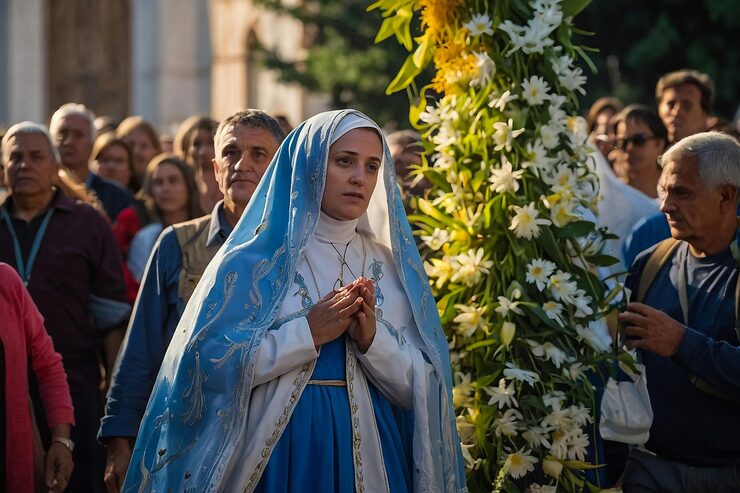
The Missionaries of Our Lady of Fatima has a vision for a Chapel and community home in Palmdale, California, designed around these types of needs.
The vision includes space for prayer and worship, meals and outreach, counseling, family support, community gatherings, and faith-based activities.
A place like this can become more than a building. It can become a consistent point of connection for people looking for faith, encouragement, and community.
The Missionaries of Our Lady of Fatima and the Gift of Hope
The Missionaries of Our Lady of Fatima brings prayer and practical care together as part of its mission.
Its work focuses on people facing hardship and seeks to provide support through food, prayer, outreach, family assistance, and community involvement.
At the heart of this approach is the belief that people need more than material assistance.
They also need to know that someone cares.
A meal can address an immediate need. Prayer can provide spiritual comfort. Community can reduce isolation. Encouragement can help someone continue through a difficult season.
Together, these forms of support can help create an environment where hope has room to grow.
How to Find Hope When Life Feels Uncertain
When life feels overwhelming, consider starting with simple practices.
Make Time for Prayer
Set aside a few quiet minutes each day to pray and reflect.
Stay Connected
Do not isolate yourself completely. Reach out to trusted family members, friends, or faith communities.
Focus on the Next Step
You do not need to solve everything at once. Ask yourself what one positive step you can take today.
Accept Support
Allow trusted people to help when you need it. Asking for support is not a sign of weakness.
Serve When You Can
Helping someone else can create connection and remind you that your time and abilities have value.
Give Yourself Patience
Difficult seasons take time. Do not expect yourself to have every answer immediately.
How Communities Can Become Sources of Hope
Communities can actively create environments where hope is encouraged.
They can welcome people who feel isolated, provide opportunities for service, organize prayer gatherings, support families, and create safe spaces for conversation.
Small gestures matter.
Remembering someone’s name, checking on a neighbor, inviting someone to a community gathering, or offering a listening ear can make people feel valued.
A hopeful community is not one where nobody struggles.
It is one where people know they do not have to struggle alone.
Hope Can Be Shared
Hope is contagious in a positive way.
One person’s encouragement can strengthen another person.
One family’s generosity can inspire another family.
One volunteer can motivate others to participate.
One prayer gathering can bring people together.
When people share hope through their words and actions, it can spread throughout a community.
This is why faith-based service can have an impact beyond individual acts of assistance.
It creates relationships where people encourage one another to keep going.
Conclusion
Difficult seasons are a part of life, but they do not have to define the future.
Faith can provide a foundation when circumstances feel uncertain. Prayer can create space for reflection and spiritual strength. Community can remind people that they are seen, valued, and supported.
Hope often begins quietly.
It may begin with a prayer, a conversation, a helping hand, a meal shared with someone in need, or simply the decision to take one more step forward.
The Missionaries of Our Lady of Fatima seeks to bring these elements together through prayer, service, family support, and community outreach.
When faith gives us strength, prayer gives us peace, and community gives us connection, difficult roads can become easier to walk.
Hope does not always mean knowing what comes next. Sometimes it simply means believing that you do not have to face what comes next alone.