Positive community change rarely happens through one person or one organization alone. It develops when people recognize shared needs, work together, and create lasting ways to support one another.
Faith-based organizations can play an important role in this process.
Beyond worship and religious activities, many faith-based organizations provide opportunities for service, volunteerism, family support, food outreach, prayer, community gatherings, and assistance for people experiencing hardship.
Their faith can provide the values that guide this work, while their members and volunteers provide the people and resources needed to put those values into action.
When these elements come together, a faith-based organization can become an important source of positive change within a community.
What Is a Faith-Based Organization?
A faith-based organization is a group whose work is connected to religious beliefs and values.
Some focus primarily on worship and spiritual education, while others also provide charitable and community services.
These organizations may work with families, individuals experiencing hardship, seniors, children, or other members of the local community.
Their activities can vary widely.
A faith-based organization might organize meals, volunteer programs, prayer gatherings, counseling support, educational activities, charitable drives, or community events.
What often connects these activities is a shared belief that caring for others is an important responsibility.
Faith Can Turn Values Into Action
Values such as compassion, generosity, mercy, responsibility, and love are powerful ideas.
But they become more meaningful when people practice them.
Faith-based organizations can create opportunities for individuals to turn their beliefs into action.
Someone may believe that helping others is important, but an organization can provide a practical way to volunteer.
Someone may want to support families facing hardship, but a community outreach program can give them a place to contribute.
Someone may want to pray for people in need, and a prayer gathering can bring them together with others who share that purpose.
In this way, faith can become visible through everyday actions.
Creating a Culture of Compassion
Communities are influenced by the attitudes people demonstrate consistently.
When kindness, generosity, and service become regular parts of community life, they can influence how people respond to one another.
Faith-based organizations can help create this culture by encouraging members to notice people who may need support.
The goal is not simply to organize occasional charitable activities.
It is to encourage a mindset in which people naturally ask how they can help.
Over time, this can influence families, volunteers, and future generations.
Bringing People Together
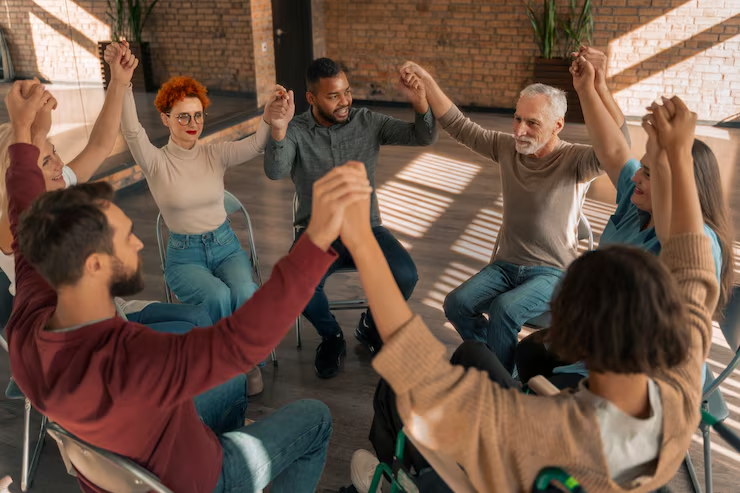
One of the greatest strengths of a community organization is its ability to bring people together.
People from different backgrounds can gather around a shared purpose.
A volunteer event may bring together parents, young adults, seniors, and children.
A community meal can create opportunities for conversation.
A prayer gathering can connect people through a shared spiritual practice.
These interactions can build relationships that might not develop otherwise.
Strong relationships are an important foundation for positive community change.
Building Trust Through Consistent Presence
Trust develops through consistency.
When an organization continues showing up for its community, people learn that its support is not simply temporary.
Regular activities, outreach, prayer gatherings, volunteer opportunities, and community programs can create a familiar point of connection.
People begin to know where they can turn when they need encouragement or want to contribute.
This consistency can be especially valuable for people who feel disconnected from their community.
An organization that remains present can become a trusted part of local life.
Volunteers Multiply Community Impact
Faith-based organizations often depend on volunteers.
Volunteers allow an organization to extend its reach beyond what a small staff could accomplish alone.
One person may help prepare food.
Another may organize supplies.
Someone else may assist with an event.
A volunteer with professional experience may contribute specialized skills.
When these individual efforts are coordinated, they can create a much larger impact.
Volunteering also gives people an opportunity to take ownership of their community.
They are no longer simply observing a problem. They are participating in the response.
Faith-Based Organizations Can Connect Different Generations
A healthy community benefits from relationships across generations.
Older adults can share wisdom and life experience.
Adults can provide leadership and practical support.
Young people can contribute creativity, energy, and new ideas.
Children can begin learning the value of kindness and responsibility.
Faith-based organizations can provide opportunities for these generations to interact through service, prayer, gatherings, and community activities.
These relationships can strengthen the transfer of positive values from one generation to the next.
Supporting Families Creates Wider Community Benefits
Families are an important part of every community.
When families experience hardship, the effects can extend beyond the household.
Parents may struggle to meet responsibilities. Children may experience stress. Relationships can become strained.
Faith-based organizations can provide different forms of support that help families navigate difficult periods.
Food assistance, prayer, encouragement, counseling resources, community activities, and supportive relationships can all contribute to greater stability.
When families feel supported, the wider community can benefit as well.
Addressing Practical Needs With Compassion
Positive community change requires more than good intentions.
People have real needs.
They need food, safe places to gather, emotional support, meaningful relationships, and sometimes practical assistance during difficult circumstances.
Faith-based organizations can respond to these needs while maintaining a focus on dignity.
This combination is important.
Practical help addresses a person’s immediate situation, while compassion reminds them that they are valued.
The two should work together.
Creating Safe Places for Connection
Physical spaces can influence how communities interact.
A welcoming place for prayer, meals, conversations, counseling, and gatherings can provide people with somewhere to connect.
This is particularly important for individuals who may not have many opportunities for meaningful social interaction.
A community space can become a place where people meet regularly, build relationships, receive support, and contribute their own skills.
The value of such a space is not limited to the building itself.
Its greatest value comes from the relationships and activities that happen there.
The Vision of the Missionaries of Our Lady of Fatima
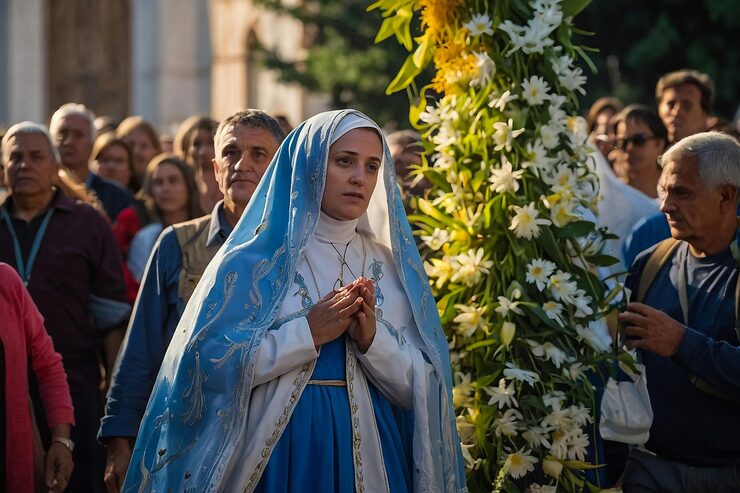
The Missionaries of Our Lady of Fatima offers an example of a faith-based organization seeking to connect spiritual life with practical community care.
Its mission includes prayer, feeding people in need, family support, community outreach, and service to people experiencing hardship.
The organization also has a vision for a Chapel and community home in Palmdale, California.
The planned space is intended to provide opportunities for prayer and worship while supporting meals, outreach, counseling, family support, community gatherings, and faith-based activities.
This vision reflects the idea that a strong faith community can provide both spiritual connection and practical support.
Encouraging People to Become Part of the Solution
One of the most important things an organization can do is help people realize that they have something valuable to contribute.
Not everyone can donate large amounts of money.
Not everyone has the same amount of free time.
But people can contribute in different ways.
Someone can volunteer.
Someone can prepare food.
Someone can help organize an event.
Someone can offer professional skills.
Someone can pray.
Someone can encourage another person to participate.
By creating many different opportunities to contribute, faith-based organizations can make community involvement more accessible.
Developing Local Leadership
Community change becomes stronger when leadership is shared.
Faith-based organizations can give volunteers opportunities to develop leadership skills.
They may coordinate activities, organize outreach, communicate with other volunteers, manage events, or take responsibility for specific projects.
These experiences can help individuals become more confident and capable.
Over time, volunteers who develop leadership skills can contribute not only to the organization but to the wider community.
Partnering With the Wider Community
Faith-based organizations do not have to work alone.
Positive change can become stronger when organizations connect with other community groups, volunteers, local businesses, and charitable initiatives.
Different organizations often have different strengths.
One may provide food.
Another may have counseling resources.
Another may offer educational support.
Another may have volunteers with specialized skills.
Working together can help organizations avoid duplicating efforts and create more effective support networks.
The Importance of Listening to Community Needs
An organization cannot effectively support a community if it does not understand what people actually need.
Listening should therefore be part of community work.
People experiencing hardship can explain challenges that may not be obvious from the outside.
Families can identify practical concerns.
Volunteers can notice gaps in existing programs.
Community members can suggest new ideas.
By listening carefully, faith-based organizations can make their outreach more relevant and responsive.
Positive Change Begins With Relationships
Programs and services are valuable, but relationships often make those services meaningful.
A meal is important, but being welcomed while receiving that meal can matter too.
A prayer gathering is valuable, but knowing that someone remembers your situation can make it more personal.
A community event can bring people together, but the friendships developed there may continue long after the event ends.
Positive community change therefore happens at both levels: practical and relational.
Creating Opportunities for Spiritual Growth
Faith-based organizations have an additional opportunity to support spiritual development.
Prayer, worship, reflection, Scripture, and faith-based activities can help people deepen their relationship with God and develop a stronger sense of purpose.
Spiritual growth can also influence how people treat others.
When individuals reflect on compassion, forgiveness, generosity, and service, they may become more willing to practice those values in everyday life.
This creates a connection between personal spiritual growth and community well-being.
Helping People Move From Isolation to Connection
Isolation can affect people of all ages.
An older person may spend most of their time alone.
A new family may not know many people in the area.
Someone experiencing hardship may withdraw because they feel embarrassed about their circumstances.
A welcoming faith community can provide opportunities to reconnect.
A conversation, prayer gathering, volunteer activity, or shared meal can become the first step toward stronger relationships.
Creating these opportunities is an important form of community care.
Positive Change Takes Time
Communities do not transform overnight.
Building trust takes time.
Developing volunteer networks takes time.
Creating sustainable programs takes time.
Changing attitudes and encouraging people to participate takes time.
This is why consistent effort matters.
Faith-based organizations can contribute to lasting change by continuing their work even when results are not immediately visible.
Small improvements can accumulate.
One volunteer becomes two.
One family receives support and later helps another family.
One child learns generosity and carries that value into adulthood.
One community gathering becomes a regular tradition.
Over time, these small developments can shape the character of a community.
How You Can Support Positive Community Change
Everyone can participate in creating a stronger community.
Volunteer Your Time
Choose an organization or cause that reflects your values and offer your time.
Support Community Programs
Financial contributions and donated resources can help organizations continue their work.
Participate in Prayer
For faith-based organizations, prayer can provide spiritual support for both the mission and the people it serves.
Share Your Skills
Use your professional or personal abilities to help with projects, communication, events, organization, or outreach.
Invite Others
Encourage friends and family to become involved.
Build Relationships
Do not underestimate the importance of simply getting to know people in your community.
A Stronger Community Starts With Participation
People sometimes believe that community change requires influential leaders or large organizations.
In reality, meaningful change often begins with ordinary people choosing to participate.
One person volunteers.
Another person gives.
Someone offers encouragement.
Someone organizes an activity.
Another person joins in prayer.
Each action contributes to a larger culture of care.
Faith-based organizations can provide the structure and opportunities, but communities become stronger when individuals decide to take part.
Conclusion
Faith-based organizations can create positive community change by bringing people together around shared values and practical needs.
Through prayer, service, volunteerism, family support, outreach, and community gatherings, these organizations can help create environments where people feel connected and supported.
The Missionaries of Our Lady of Fatima reflects this approach by combining spiritual devotion with practical care for people experiencing hardship and by envisioning a Chapel and community home where prayer, meals, counseling, family support, and community activities can come together.
Positive change does not always begin with a major project.
Sometimes it begins with one person helping another.
Then another person joins.
Then a family participates.
Then volunteers come together.
Eventually, individual acts become a culture.
When faith inspires people to care, and caring inspires people to act, communities can begin to change for the better.